

Sustainable Home Decor Alternatives for Plastic Items
Table of Contents
- Why Sustainable Home Decor Alternatives Beat Plastic
- Natural Materials for Home Decor: What Lasts and What Doesn't
- Eco-Friendly Home Decor Ideas by Room
- Reusable Storage Baskets That Replace Plastic Bins
- Upcycled Home Decor Ideas That Cost Almost Nothing
- Cost Per Use: Budget Tiers for Sustainable Swaps
- How to Spot Greenwashing in Sustainable Home Decor
- Frequently Asked Questions
Last Updated: October 20, 2026
Why Sustainable Home Decor Alternatives Beat Plastic
Much of the plastic the average American household throws away comes from decor never built to last. This guide from Grounds for Trouble covers the swaps that hold up, room by room.
A plastic storage bin lasts a few seasons before the corners split; a woven basket or glass jar can outlast the house it sits in. Below, we break down which natural materials earn their price, which fail, and how to spot a greenwashed label.
Natural Materials for Home Decor: What Lasts and What Doesn't
Natural materials for home decor fall into two groups: those that age well and those that need replacing within a few years, a difference that comes down to density, finish, and care. But "natural" is not a synonym for "sustainable." A material's real footprint depends on how it was grown, finished, how long it lasts, and what happens at end of life.
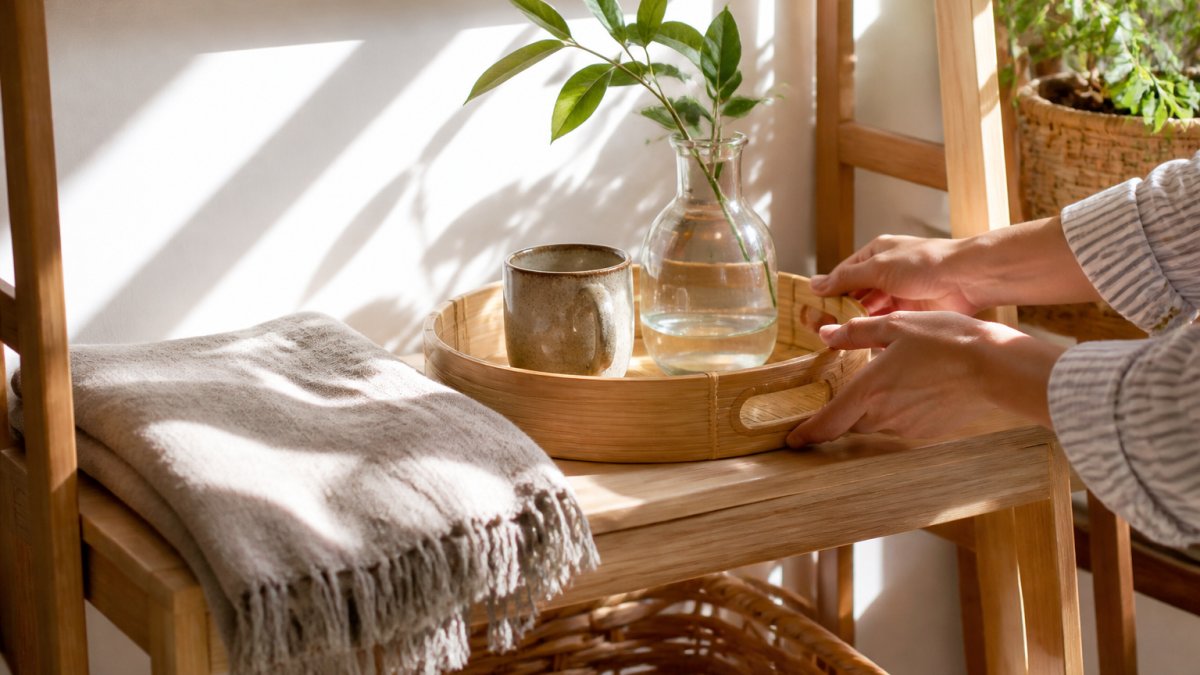
Wood, Bamboo, and Reclaimed Lumber
Solid wood and bamboo are the workhorses. Bamboo grows fast and resists moisture, making it a strong pick for trays, cutting boards, and shelving.
The catch is finish and construction. Oiled wood needs re-oiling once or twice a year or it dries and cracks.
Expected lifespan: Solid wood, decades with care; bamboo, 5-10 years for frequently used items; veneered particleboard, 2-5 years.
Glass, Ceramic, and Stainless Steel
These are the low-maintenance winners. Glass and ceramic are inert, hold food and water without leaching, and clean up in a dishwasher. Stainless steel survives drops that would shatter plastic.
Where they fall short: glass breaks, ceramic chips, steel dents, and none are lightweight, a trade-off that matters with toddlers.
Expected lifespan: Glass and ceramic, indefinite if not dropped; stainless steel, decades.
Natural Fibers: Linen, Wool, Organic Cotton, and Jute
Natural-fiber textiles are the biggest decor swap most people make, and they behave differently.
- Linen is strong, breathable, and softens with every wash. It wrinkles and fades in direct sun but composts at end of life if untreated.
- Wool is the most durable natural fiber for upholstery and rugs, resisting stains and odor, regulating temperature, and repairable by reweaving. It pills if tumble-dried hot and needs gentle washing. Untreated wool is compostable.
- Organic cotton is the easiest all-around swap: breathable, washable, widely available. It shrinks unless pre-shrunk and is less durable than linen or wool in high-traffic uses. Untreated cotton is compostable.
The hidden plastic here is blending. A "linen" curtain with a polyester lining, a "wool" rug with a synthetic backing, or a "cotton" throw with acrylic trim sheds microplastics and cannot be easily recycled or composted.
Expected lifespan: Wool upholstery and rugs, 10-20 years; linen curtains, 5-10 years; organic cotton bedding, 3-5 years with regular washing; jute rugs, 3-5 years.
Cork, Natural Rubber, and Other Lesser-Known Materials
Cork is harvested from tree bark without killing the tree, making it one of the most renewable materials available. It is lightweight, water-resistant, and naturally antimicrobial, good for coasters, flooring, and bulletin boards, but it crumbles at the edges over time and is not repairable once broken.
Expected lifespan: Cork, 5-10 years for accessories; natural rubber, 5-10 years for rug pads.
Eco-Friendly Home Decor Ideas by Room
Eco-friendly home decor ideas work best when you swap one item at a time instead of overhauling a whole room, because the plastic in decor hides in places you stop seeing: the backing on a rug, the lining of a curtain, the shade on a lamp. Below is a room-by-room guide to the swaps that matter, with the material trade-offs and hidden-plastic traps.
Living Room: Rugs, Curtains, and Seating
The living room is where decor plastic accumulates quietly. Start with the floor and windows.
- Rugs: Replace synthetic polypropylene or polyester rugs with wool, jute, cotton, or recycled cotton. Wool is the most durable natural fiber for high-traffic areas and resists stains, but costs more and sheds for the first few months. Jute is affordable and textural but rough underfoot and slow to dry. Check the backing: many "natural" rugs have a synthetic latex or polypropylene backing glued on. A cotton or natural rubber backing is the more honest choice.
- Curtains: Swap polyester panels for linen, organic cotton, or wool. Linen drapes well and softens with every wash but wrinkles and fades in direct sun; cotton is cheaper and easier to clean but can shrink. Check the header tape and lining too: polyester lining and plastic grommets are common even on natural-face fabrics.
- Throw blankets and pillows: Wool, cotton, and linen replace acrylic fleece and polyester fills. Wool regulates temperature and resists odor but pills if tumble-dried hot; cotton is breathable and washable but less warm. For pillow inserts, choose kapok, buckwheat hulls, or wool rather than polyfill, which sheds microfibers and flattens within a year.
Bedroom: Bedding, Storage, and Accessories
Bedroom plastic is mostly textile and storage; the swaps are straightforward but care differs.
- Bedding: Organic cotton, linen, and wool replace polyester microfiber sheets and synthetic comforters. Linen is breathable and softens with use but wrinkles and costs more; organic cotton is the easiest all-around swap; wool comforters regulate temperature but need gentle washing or professional cleaning.
- Storage: Woven baskets, cotton rope bins, and wood or metal trunks replace plastic storage bins. Match the weave to the load: tight for small items, open for blankets. Check for glued-in plastic liners, which peel and crack.
- Accessories: Wood or metal picture frames, cork or natural rubber coasters, and ceramic or glass lamps replace plastic versions, low-maintenance and long-lived, though glass and ceramic can chip or break.
Kitchen and Dining: Storage, Wraps, and Drinkware
The kitchen is ground zero for disposable plastic. Swap in:
- Glass storage jars for dry goods, replacing plastic canisters. Glass is inert, dishwasher-safe, and does not hold odors, but is heavy and breakable.
- Beeswax wraps instead of plastic wrap. They mold to the bowl with hand warmth, rinse and reuse for about a year, then compost. They do not handle raw meat or hot liquids.
- Ceramic mugs in place of disposable cups. A ceramic mug is the simplest swap on the list. We carry a White glossy mug at $13.74 that goes in the dishwasher and microwave, and a Mug with Color Inside at $18.21 if you want the colorful rim and handle. Both replace a lifetime of paper and foam cups.
Bathroom: Shower Curtains, Dispensers, and Accessories
The bathroom hides plastic in liners, bottles, and small accessories.


- Shower curtains: Swap PVC or vinyl liners for hemp, organic cotton, or linen curtains with a cotton or natural rubber liner. Natural-fiber curtains breathe and resist mildew better than vinyl but need more frequent washing and full drying.
- Dispensers and bottles: Replace plastic pump bottles with glass or stainless steel dispensers refilled from bulk. Glass is inert and easy to clean but breakable in a wet room; stainless steel is durable but shows water spots.
- Accessories: Wood, bamboo, or metal soap dishes, toothbrush holders, and trays replace plastic versions. Bamboo resists moisture but needs occasional oiling; metal is low-maintenance but rusts if left wet.
Entryway and Home Office: Hooks, Trays, and Organizers
These small rooms collect plastic in hooks, trays, and organizers.
- Hooks and racks: Wood, metal, or bamboo hooks replace plastic adhesive hooks. Metal and wood hold more weight and last longer but require drilling or sturdy mounting.
- Trays and organizers: Wood, felted wool, or cork trays replace plastic desk organizers. Wool felt is soft and quiet but pills; cork is lightweight and water-resistant but crumbles at the edges.
- Wastebaskets: Woven baskets or metal bins replace plastic wastebaskets. Skip the plastic liner, use cotton or paper, or none at all.
Reusable Storage Baskets That Replace Plastic Bins
Reusable storage baskets are the single best replacement for plastic bins, and they look better doing the job. Seagrass, cotton rope, felted wool, and woven bamboo hold their shape and breathe, keeping stored items from trapping moisture.
Here's how to choose:
- Match the weave to the load. Tight weaves for small items, open weaves for blankets and laundry.
- Check the frame. A wire or wood frame keeps a soft basket from collapsing when full.
- Measure the shelf first. Baskets are less forgiving than flexible plastic bins.
- Skip anything lined with hidden plastic. Many "natural" baskets have a plastic liner glued inside.
Upcycled Home Decor Ideas That Cost Almost Nothing
Upcycled home decor ideas beat new purchases on cost and waste. A coat of paint on a curb-found side table, glass jars relabeled as pantry storage, and old wooden crates turned into wall shelving all keep material out of the landfill.
Repair and reuse belong here too: reupholster a chair instead of replacing it, sand and refinish a scratched table, reuse glass jars for dry goods and hardware.
The only real cost is time. A weekend of sanding and painting revives furniture that would otherwise cost hundreds to replace.
Cost Per Use: Budget Tiers for Sustainable Swaps
Cost per use is the honest way to compare a plastic item with a natural one. Divide the price by the years you expect to use it, and the cheap option often loses.
| Swap | Upfront Cost | Expected Lifespan | Cost Per Year |
|---|---|---|---|
| Plastic storage bin | Low | 2-3 years | Moderate, replaced often |
| Woven storage basket | Mid | 8-10 years | Low |
| Disposable cups | Recurring | Single use | High over time |
| Ceramic mug | $13.74-$18.21 | Many years | Very low |
| Stainless travel mug | $43.75 | Many years | Low |
Budget tiers break down simply. Our Travel mug with a handle at $43.75 and Enamel Mug at $25.44 sit in that keep-forever bracket and replace a steady stream of disposable cups.

How to Spot Greenwashing in Sustainable Home Decor
Greenwashing is a sustainability claim that sounds good but can't be verified. The Federal Trade Commission's Green Guides set the standard for environmental claims and are a useful filter for shoppers.
Run any product through this checklist:
- Does the label name a specific material, or just say "eco-friendly"?
- Is "biodegradable" or "compostable" paired with the conditions needed to break down?
- Does "recycled" state the percentage and what was recycled?
Vague words are the tell. "Natural" and "green" mean little on their own. A specific claim you can check beats a vague one every time.
Frequently Asked Questions
What are sustainable alternatives to plastic home decor?
The most durable swaps are ceramic, glass, stainless steel, bamboo, reclaimed wood, linen, wool, and organic cotton. For example, a ceramic mug replaces a plastic tumbler and can last decades with normal care. Reusable storage baskets in woven natural fibers replace plastic bins. Each material has trade-offs: ceramic chips, enamel stains, and wood needs occasional oiling, but all of them outlast cheap plastic and can often be repaired rather than thrown away.
Are bamboo and wood better alternatives to plastic decor?
For most decor uses, yes. Bamboo and wood come from renewable resources, are biodegradable at end of life, and hold up well in dry indoor settings. They do need care: keep them out of standing water and away from direct heat, and oil wooden pieces once or twice a year. Reclaimed wood is the strongest choice because it reuses existing lumber. Avoid bamboo items glued to plastic bases, since mixed materials are hard to recycle.
How can I make home decor more sustainable on a budget?
Start with the items you use daily, since cost per use drops fastest there. A $13.74 ceramic mug used every morning costs pennies per use over a year. Thrift stores, estate sales, and Buy Nothing groups supply glass, wood, and ceramic pieces for a few dollars. Upcycling what you already own, like repainting a shelf or rewrapping a lamp cord, costs almost nothing. Skip decorative purchases you will not use and put that money toward one durable piece instead.
What are the best reusable alternatives to plastic storage baskets?
Woven baskets in seagrass, rattan, cotton rope, or felted wool replace plastic bins and look better on open shelves. Choose a basket with a rigid frame if you plan to stack it, and check the interior lining, since some woven baskets hide a plastic liner. Cotton rope baskets are machine washable in most cases, while seagrass should stay dry. Measure your shelf depth before buying so the basket fits without overhang.
Can I upcycle plastic items into home decor?
Yes, and it beats sending them to landfill. Clean plastic containers can become drawer organizers, plant pots with drainage holes added, or paint-splattered tool caddies. Cut plastic bottles into seed starters or scoop shapes. The catch is that upcycled plastic still sheds microplastics over time, so keep these items away from food and hot liquids. Treat upcycling as a way to extend a plastic item's life, not as a permanent solution.
Plastic decor is a habit, not a requirement. The swaps above cost a little more once and then stop costing you anything, which is the whole point. At Grounds for Trouble, we stock the everyday pieces that make the switch easy, from dishwasher-safe ceramic mugs to stainless steel travel cups built to last. Browse our best sellers, take advantage of free shipping on many trending products, and start replacing one plastic item this week.