

Best Ways to Find Trending Electronics in 2026
Table of Contents
- Where to Find Trending Electronics: The Discovery Sources
- Best Websites for Finding Trending Gadgets
- How to Spot Viral Tech Products Before They Peak
- How to Compare Electronics Prices Across Retailers
- How to Check Gadget Reviews Before Buying
- Evaluating Whether a Trending Gadget Is Worth Your Money
- Common Mistakes When Chasing Trending Electronics
- Frequently Asked Questions
Last Updated: October 7, 2026
Where to Find Trending Electronics: The Discovery Sources
Finding trending electronics requires knowing where to look. The discovery landscape has fragmented across platforms, communities, and retail channels, and understanding each source helps you spot genuine momentum versus marketing noise.
Discovery sources fall into four categories: social platforms where trends originate, retail and launch channels where products debut, review ecosystems, and community spaces where early adopters congregate.
When you're hunting for trending electronics yourself, the difference between finding a trend early and chasing it late comes down to which platforms you monitor.
Best Websites for Finding Trending Gadgets
Dedicated tech review sites and gadget blogs remain the fastest way to find trending electronics before they peak, employing editors who test products hands-on and flag emerging categories early.
Sites like The Verge, CNET, and Wired publish daily coverage of product launches, category innovations, and emerging brands, with review sections that separate hype from substance.
Retail sites like Amazon also function as discovery tools: "New Releases" and "Trending" sections show what shoppers are buying now, and Best Sellers lists reveal which products maintain momentum over weeks, not just days.
Specialized electronics retailers maintain curated "trending now" sections filtered by sales velocity and customer interest, not marketing spend, a stronger signal than social media buzz alone.
How to Spot Viral Tech Products Before They Peak
Viral tech products follow predictable patterns. The key is recognizing the difference between a single viral moment and a sustained trend.
Real trends show consistent growth across multiple platforms over weeks. A product gaining traction on Reddit, YouTube reviews, and retail sites simultaneously is actually trending; duration matters more than initial volume.
Certain categories go viral more often: wireless charging, portable power banks, smart home gadgets, and phone accessories. A new product in one of these that gains cross-platform traction is more likely to sustain.
Social Media and Short-Form Video Signals
TikTok and YouTube Shorts have become the primary discovery channels for trending electronics, showing what millions of people are actually engaging with right now.
Watch for products appearing across creators in different niches. A gadget showing up in lifestyle, tech review, and productivity content simultaneously signals broad appeal, a stronger indicator than one creator's viral moment.
Search trends on TikTok and YouTube reveal what people are actively looking for: climbing searches mean the trend is accelerating, declining searches mean it's cooling.
Product Launch Announcements and Trade Shows
Major tech announcements concentrate at specific times: January (CES), March (Mobile World Congress), September (Apple events), October (Google hardware events). Coverage at these events signals serious backing.
Trade show coverage from publications like The Verge and CNET provides immediate editorial context. When multiple reviewers flag the same innovation, you've found a real trend.
Following product launch announcements from major manufacturers gives you first-look access to new categories before retail availability; startups often announce on Product Hunt.
How to Compare Electronics Prices Across Retailers
Price comparison for trending electronics differs from ordinary bargain hunting: new products haven't stabilized in price, inventory swings wildly, and the same gadget can carry three different prices across retailers in one week. Treating price as a trend signal separates readers who catch a real trend from those who overpay for hype.
Use price history as a demand signal
A price that holds steady or rises after launch usually means demand is outpacing supply; a price that drops within weeks often means hype didn't convert into sustained buying. Watch the first 30 to 60 days of a product's price curve before deciding whether a trend is real.
Price-tracking tools make this practical: CamelCamelCamel tracks Amazon price history and sends drop alerts, Keepa overlays price and rank history on Amazon listings, Honey and Capital One Shopping compare prices and apply coupons, and Google Shopping aggregates listings to show who's discounting.
Compare the right variables, not just the sticker
Four retailers rarely list the same product at the same total cost. The variables that actually change your out-the-door price:
- Shipping thresholds. Many retailers offer free shipping above a minimum order, so a slightly higher price can still win if it clears the threshold.
- Sales tax. Online sellers collect tax in most states now, but marketplace third-party sellers sometimes don't, which can swing the total by 6-10%.
- Return windows. A 15-day window versus a 90-day window changes the real cost of a risky purchase.
- Bundling. Retailers often bundle trending electronics with accessories or gift cards, which can beat a lower standalone price.
- Membership pricing. Warehouse clubs and retailer loyalty programs frequently undercut listed prices for members.
Time purchases around predictable cycles
New electronics follow recognizable discount rhythms: prices often soften four to six weeks after launch, and events like back-to-school, Black Friday, Cyber Monday, and end-of-quarter clearance reliably pull prices down. Waiting can save a meaningful percentage, though popular items may sell out first.
Watch retailer availability as a trend check
Consistently in stock everywhere at full price suggests a cooling trend; sold out at multiple retailers and only available from third-party sellers at a markup means demand is still hot. Availability tells you where a product sits in its trend cycle.
How to Check Gadget Reviews Before Buying
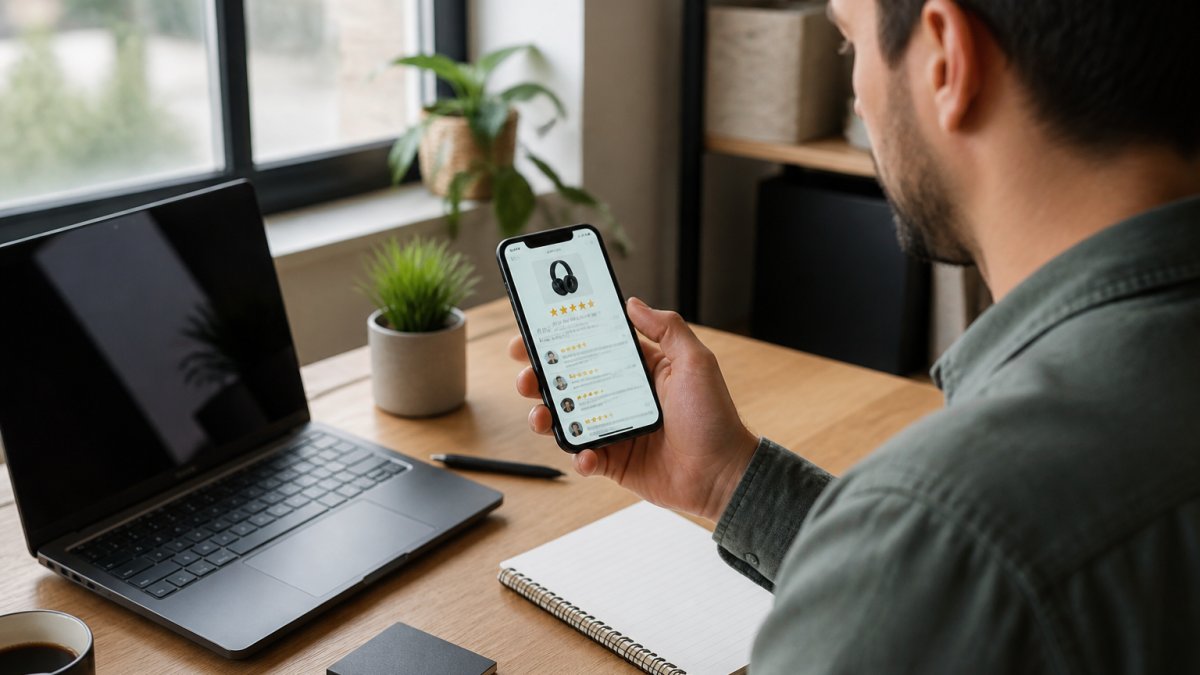
Reviews are the most useful tool for validating a trend, but only if you read them systematically. Build a consistent evaluation checklist you apply to every trending gadget before you spend money.
Where to look, and what each source is good for
Different review sources answer different questions:
- Long-form review publications (The Verge, CNET, Wired, Tom's Guide) publish hands-on testing with editorial judgment. Best for understanding whether a product category is genuinely innovative or just repackaged.
- YouTube reviewers show real-world use, setup, daily handling, quirks that written reviews miss. Best for judging whether a product fits how you'd actually use it.
- Reddit communities (r/gadgets, r/smarthome, product-specific subreddits) surface long-term owner complaints that reviewers miss in a two-week test window. Best for spotting durability and support problems.
- Retail reviews show aggregate satisfaction across thousands of buyers. Best for spotting patterns, but the most vulnerable to manipulation.
- Professional testing labs (Consumer Reports, Wirecutter) run standardized tests. Best for objective performance comparisons across brands.
A practical evaluation checklist
Before buying any trending gadget, run it through these criteria:
- Usefulness. Does it solve a problem you actually have, or is it interesting in the abstract?
- Product maturity. Is this a first-generation product from a new category, or a refined version from an established line? First-gen products carry more risk.
- Safety and certification. Does it carry recognized safety marks (UL, ETL, FCC) for electronics sold in the U.S.? Uncertified imports are a common problem in trending categories.
- Compatibility. Does it work with your phone's operating system version, your smart home platform, or your existing devices?
- Warranty and support. What's the warranty length, and does the company have a U.S. support presence?
- Value. Does the price match the utility, or are you paying a trend premium?
Spotting fake or paid reviews
Review manipulation is common in trending categories. Signals to watch for:
- A burst of five-star reviews posted within a short window after launch.
- Reviews that describe the product in marketing language rather than personal experience.
- Reviewers with only one or two reviews on their account.
- Positive reviews that mention no downsides at all, real products have trade-offs.
On retail sites, sort by "most helpful" rather than highest rating. Helpful reviews explain trade-offs; five-star reviews often just say "great product" without detail. Verified purchase reviews carry more weight than unverified ones.
Check review dates against firmware updates
A product reviewed six months ago may have received firmware updates that changed performance, battery life, or compatibility. Recent reviews account for current software versions. When you find a strong review, check the date, a glowing review from launch day may not reflect the product as it ships today.
Cross-reference before you commit
If five independent reviewers reach similar conclusions about a product's strengths and weaknesses, that's reliable. If reviews are split, some calling it excellent, others calling it unusable, the product likely has variability issues or a specific use case that only some buyers fit. Either way, that split is information worth having before you buy.
Evaluating Whether a Trending Gadget Is Worth Your Money
Trending doesn't mean necessary. Many viral electronics solve problems you don't have. Evaluating whether a trending gadget deserves your money requires honest assessment of actual utility.
Ask whether the gadget solves a real problem or just seems interesting.
Consider the learning curve. If a product needs 30 minutes of setup you're not comfortable with, it's not worth buying regardless of how trendy it is.
Check compatibility before purchasing. Trending phone accessories, smart home devices, and peripherals often require specific platforms or versions, and a gadget needing a current OS won't work on an older one.
Price stability matters: products that just launched often drop significantly within months.
Common Mistakes When Chasing Trending Electronics
The biggest mistake is buying based on social media hype alone.
Buying before reviews are available is risky, since launch coverage is often promotional.
Ignoring your actual needs for trend appeal wastes money.
Not checking return policies is another common error. Generous return windows let you test before committing; strict policies trap you with a product you don't want.
Assuming trending means reliable is dangerous.
Finding trending electronics works best when you combine multiple discovery sources, validate trends across platforms, and evaluate products honestly against your actual needs.
When you're ready to purchase, our store offers fast shipping on trending electronics and established gadgets alike. Browse our curated selection of popular products and new releases.
Frequently Asked Questions
What are the most reliable sources for finding trending electronics?
The most reliable sources combine multiple signals: tech-focused websites and publications, social media platforms where early adopters gather, product review sites with verified purchaser feedback, and trade shows where manufacturers announce innovations. No single source is definitive. Cross-referencing at least two or three sources helps you validate whether something is genuinely trending or just heavily marketed. Start with established tech publications, then check social media engagement and user review counts to confirm real interest.
How can I tell if a trending gadget is actually a good deal or just popular hype?
Separate hype from value by examining product performance data, comparing prices across multiple retailers, reading detailed user reviews on independent sites, and checking whether the gadget solves a real problem you have. Ask yourself: Is this trend driven by genuine innovation or marketing? Does it outperform existing alternatives, and by how much? Will you actually use it, or are you buying because it's viral? A truly valuable trending gadget shows consistent positive reviews, maintains its price or drops gradually, and has clear practical benefits beyond novelty.
What's the fastest way to discover trending electronics before they sell out?
Set up alerts on tech news sites and product review platforms, follow emerging technology categories on social media, subscribe to product launch notifications from major manufacturers, and monitor short-form video platforms where early adopters showcase new gadgets. Speed matters because popular items do sell out quickly. However, buying immediately often means paying full price. Balance speed with research by identifying trends early but waiting for reviews and price stabilization unless the item is truly limited-edition or you need it urgently.
How do I verify that a product review is actually trustworthy?
Look for reviews that include specific details about how the reviewer used the product, any limitations they experienced, and comparisons to alternatives. Trustworthy reviews mention both strengths and weaknesses. Check the reviewer's history: do they review many products or specialize in one category? Verified-purchase badges on major retailers indicate the reviewer actually bought the item. Read multiple reviews from different sources rather than relying on a single opinion. Be skeptical of reviews that are extremely positive or negative without supporting detail, as these often come from incentivized sources or competitors.